
Is your dog overheating right now? Do not wait it out at home. We are open, and you can walk in without an appointment.
Call the ER: (703) 256-8414Annandale summers are humid, and the humidity is the part that catches dogs out. Heatstroke does not need a 100 degree day. It needs a dog that cannot shed heat fast enough.
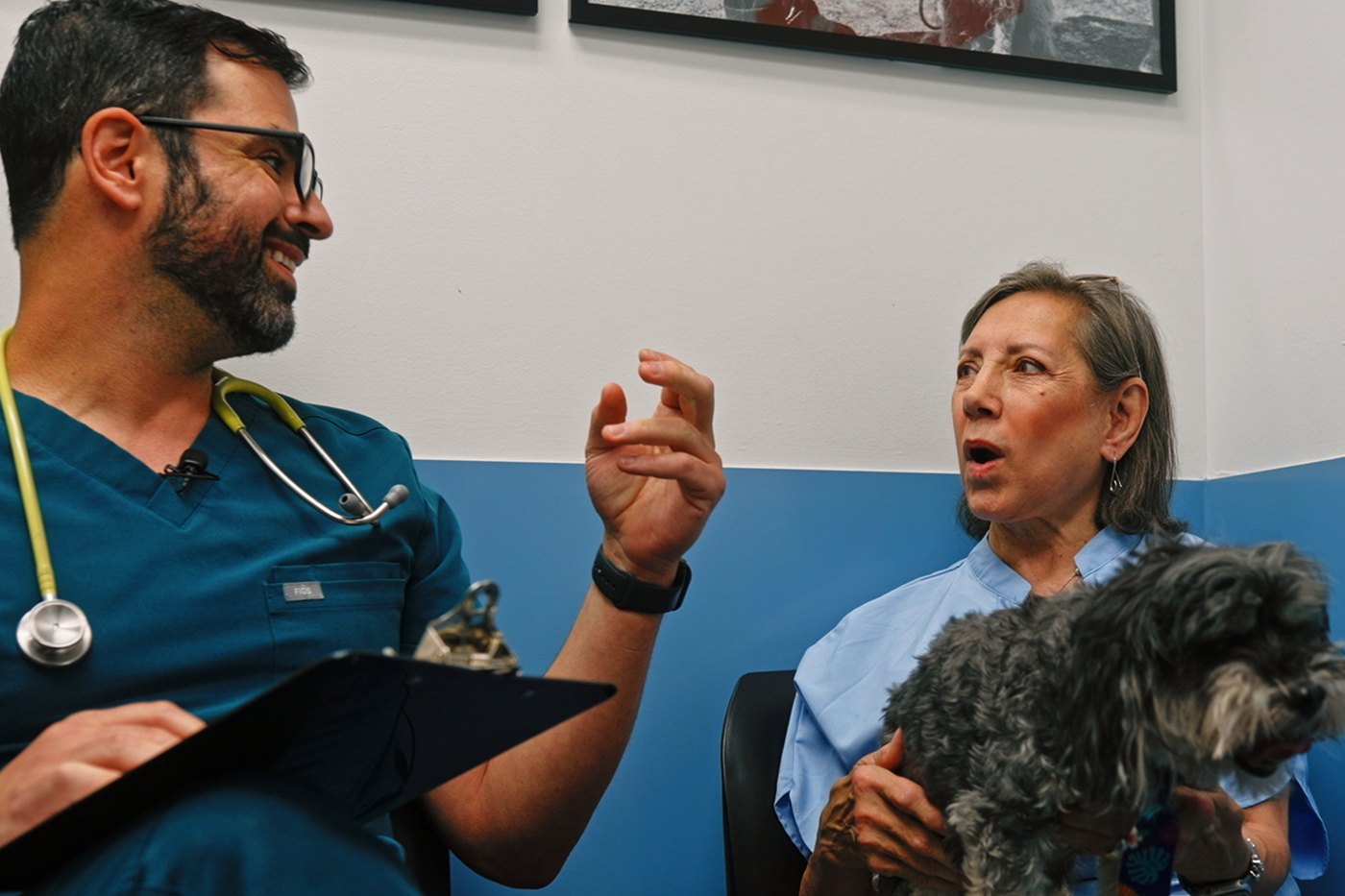
Dr. Molly Tango, DVM, one of our veterinarians here at Columbia Pike, explains what heatstroke actually looks like and what to do in the first few minutes.
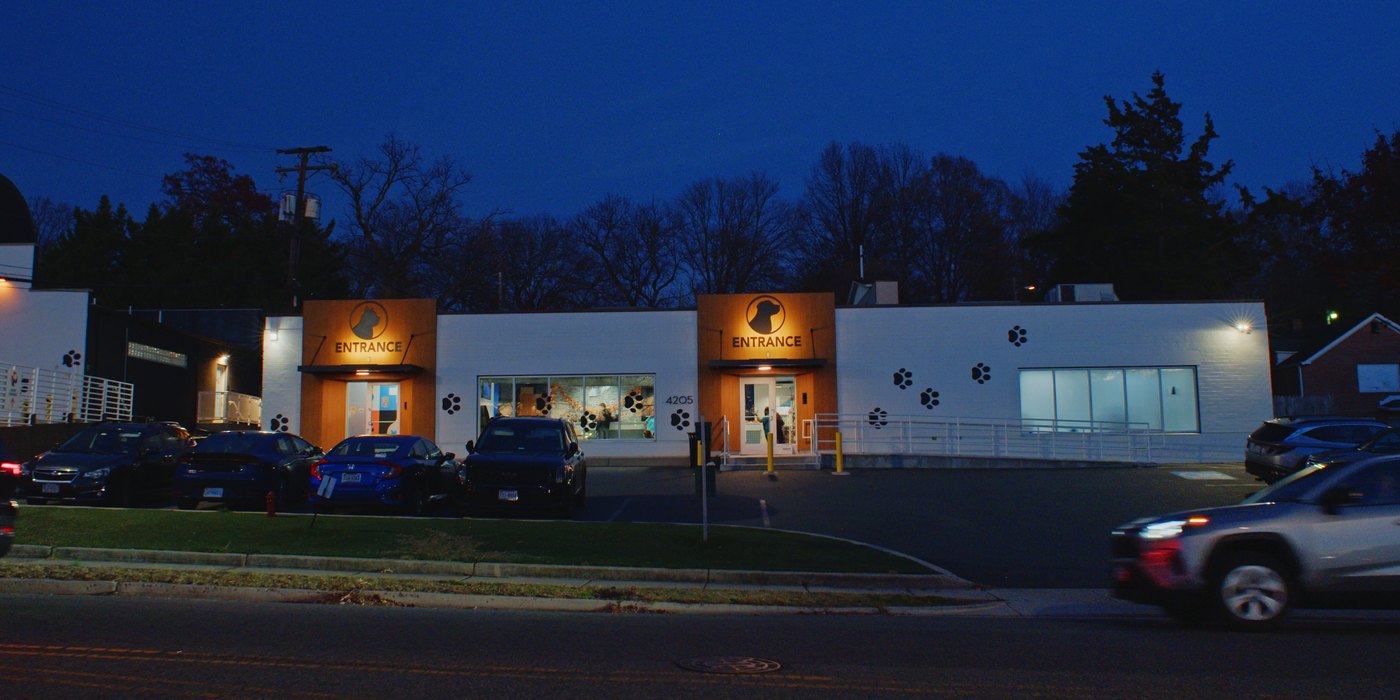
Open every hour of every day, including the ones nobody plans for.
What is heatstroke, and how fast does it move?
It is a life threatening rise in body temperature that can shut down organs. Not a dog being tired and hot. A system failing, and it moves quickly once it starts.
Most of the cases we see come from one of two things: a dog shut in a car, or a dog that ran hard on a hot and humid day. The second one is far more common than people expect.
When should you start paying attention?
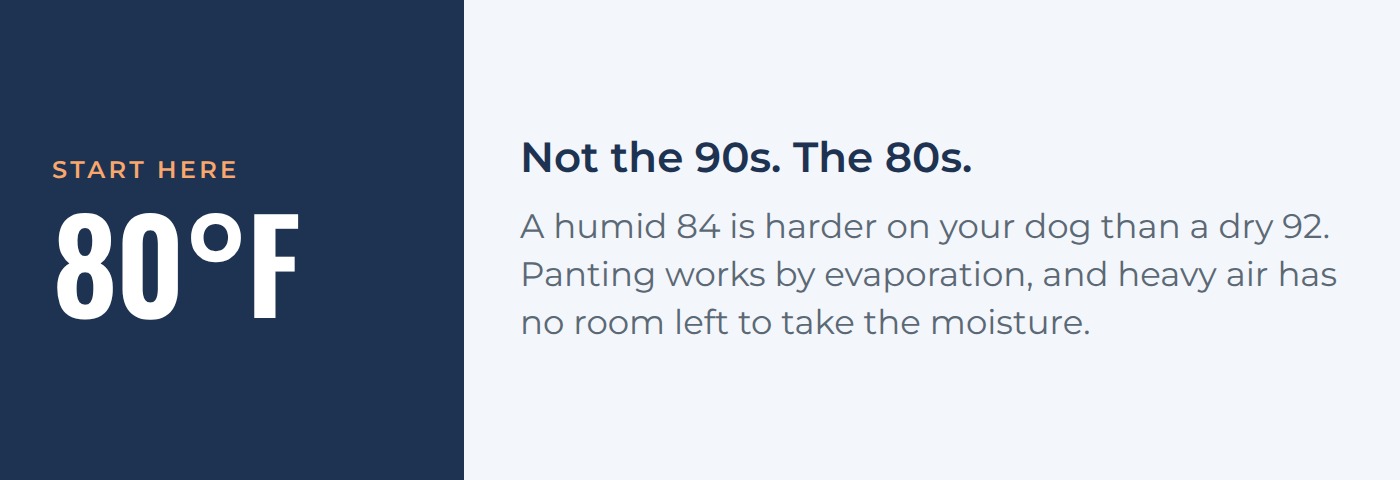
Once temperatures hit the 80s, which is earlier than most people expect. Humidity is the bigger factor, and a cool stretch followed by a sudden hot day catches dogs out, because they adjust to heat slowly.
What are the warning signs?
The signal is not that your dog is panting. It is that the panting will not stop.
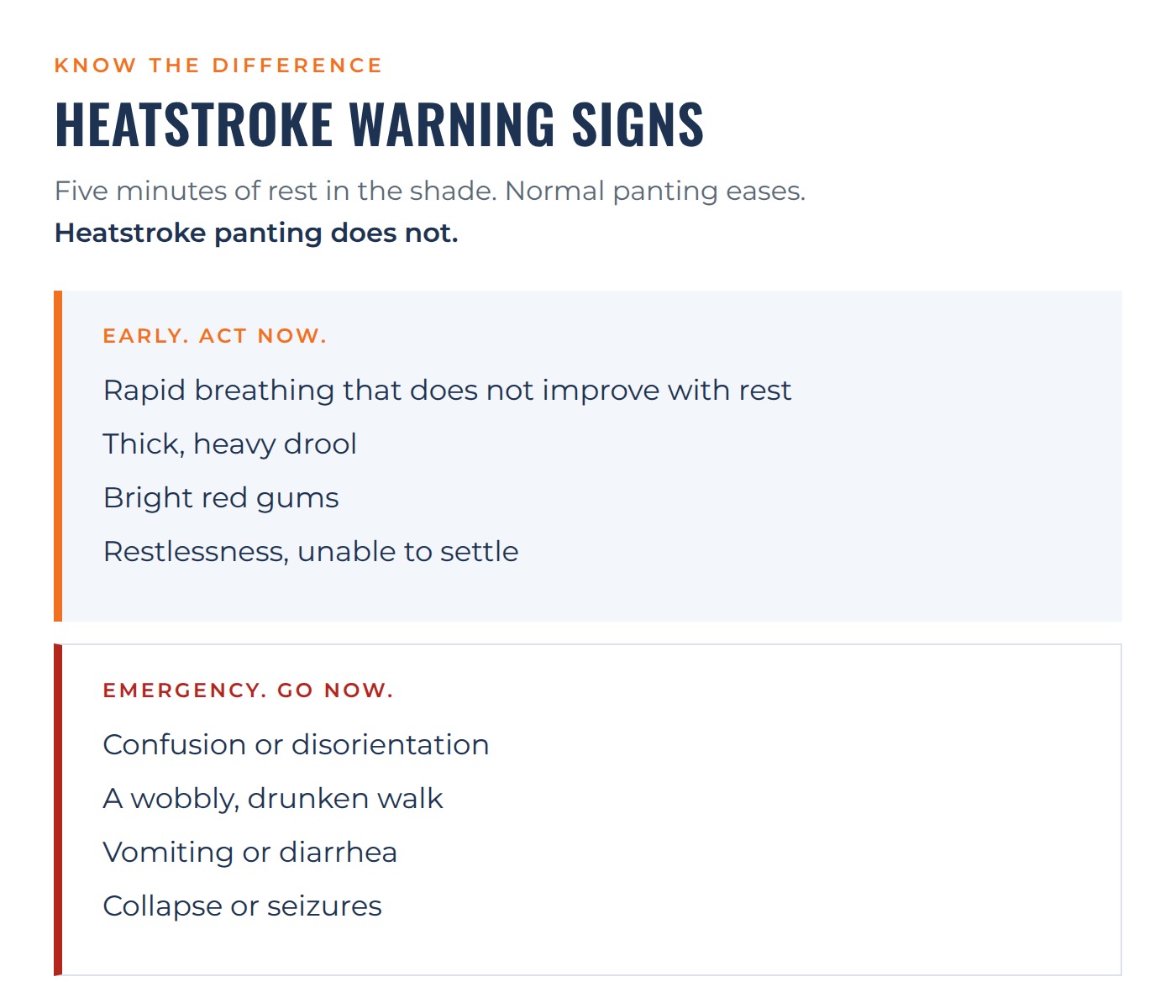
Bright red gums are worth checking now, while your dog is healthy, so you know what normal looks like on your own dog.
Which dogs are most at risk?
Flat faced breeds top the list. Pugs, French bulldogs, and English bulldogs have airway anatomy that makes panting much less efficient. Older dogs regulate temperature less well, overweight dogs carry insulation they cannot shed, and thick coated northern breeds hold heat that a short coated dog would let go.
If your dog is on that list, treat the 80s the way most people treat the 90s.
What do you do in the first five minutes?
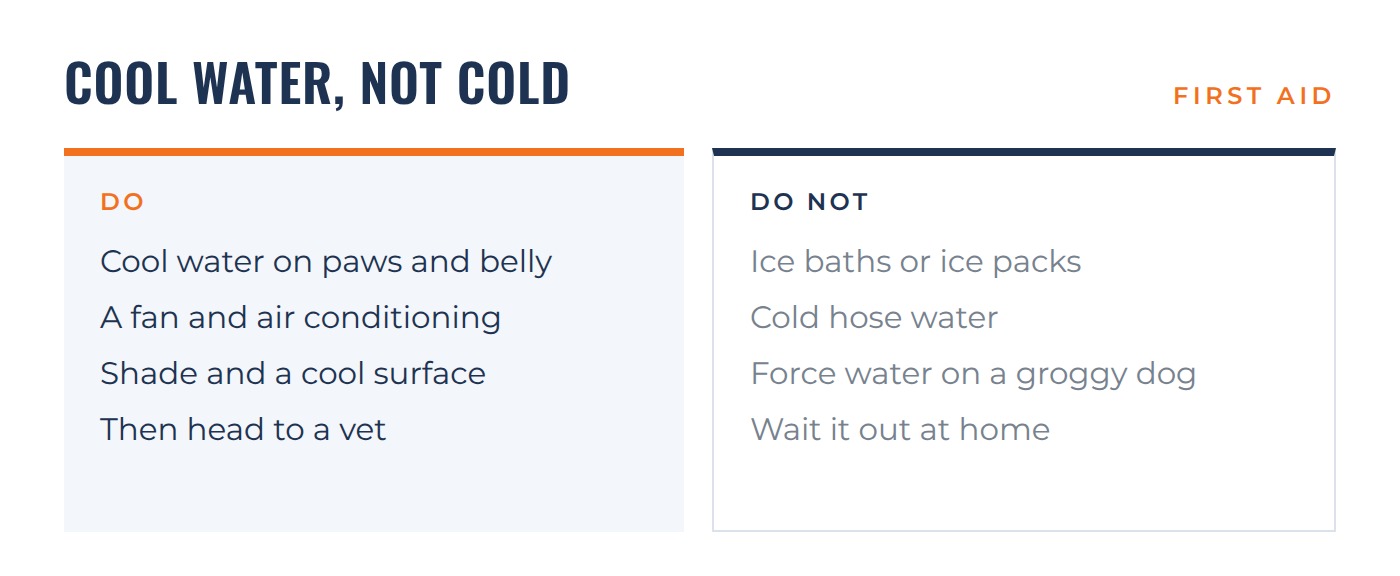
Get out of the heat. Inside, air conditioning, fan on the dog. Wet the paws and belly with cool water. Not cold, and no ice. Cold water tightens the blood vessels at the surface and slows the cooling you are trying to create.
Let your dog drink if they want to, but do not force water into a dog that seems disoriented. Then bring them in. Do not wait it out at home to see if it passes.
When should you bring your dog in?
Sooner than most people do. If the panting has not settled after five minutes of rest somewhere cool, or if you are seeing heavy drool, bright red gums, or any wobble, come in. We would far rather check a dog who turns out to be fine.
You do not need an appointment and you do not need a referral. Walk in. We are open right now, and we are open at three in the morning on a holiday.
What does an emergency visit cost here?
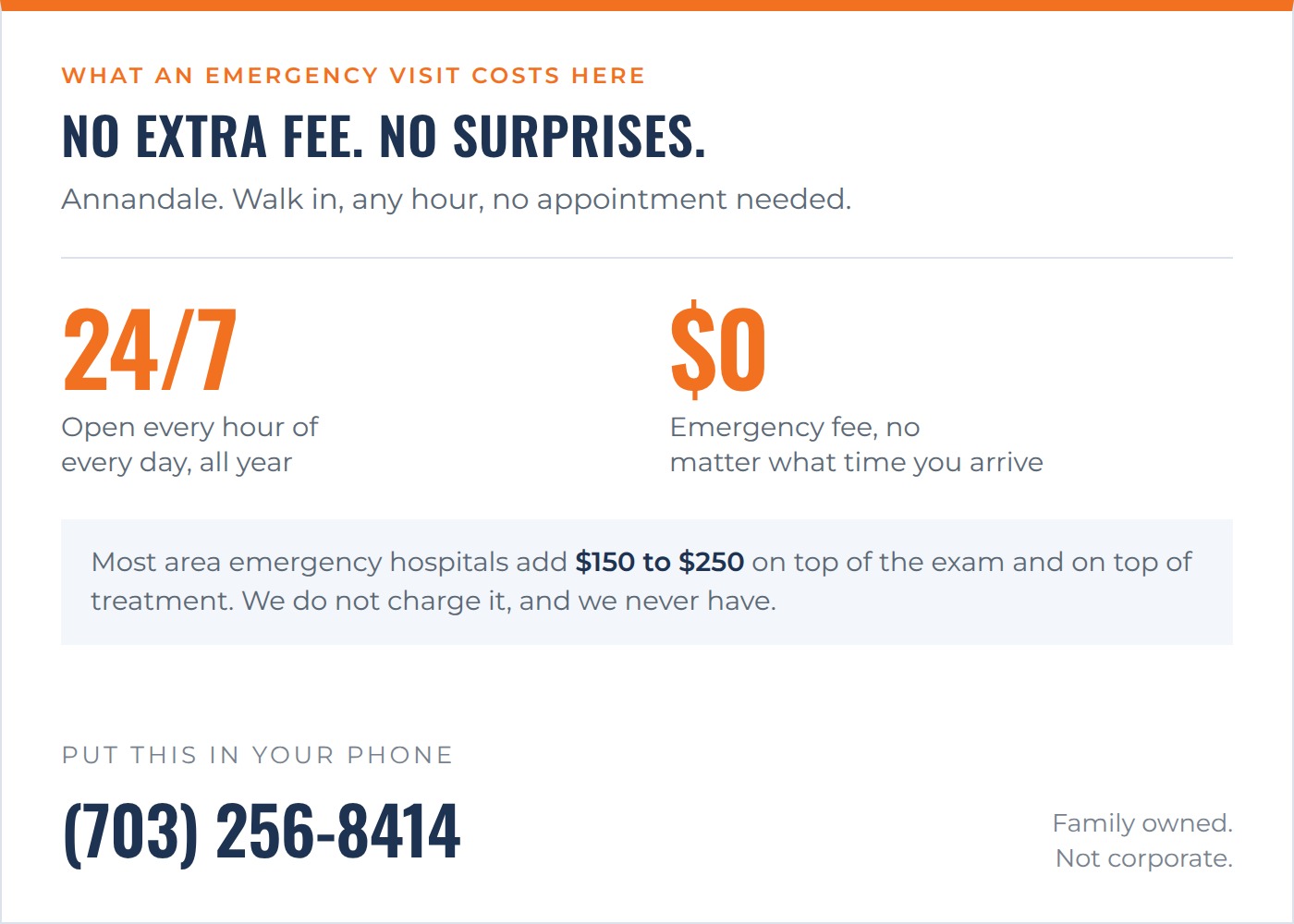
Less than you are bracing for, because we do not add the fee almost everyone else adds.
Call the ER: (703) 256-8414Get directions
We are family owned, not part of a corporate group, and that is the reason the fee is not there. Nobody upstairs is asking us to add it.

What else do dog owners ask us?
Is heavy panting always heatstroke?
No. Panting is normal and is how dogs cool off. The concern is panting that does not ease after several minutes of rest somewhere cool, especially with heavy drool or bright red gums.
My dog perked back up. Do I still need to bring him in?
Yes. Heatstroke can keep causing internal damage after the outside signs improve. An exam is the only way to know.
Do I need an appointment?
No. Walk in, any hour of any day, or call us first at (703) 256-8414. We are open 24 hours a day, 365 days a year, including weekends and holidays.
Will I be charged an emergency fee?
No. Most emergency hospitals in the area add $150 to $250 on top of the exam and on top of treatment. We do not charge it, no matter what time you arrive.
What about leaving a dog in the car for a quick errand?
Never, even with the windows down. The inside climbs about 20 degrees in 10 minutes and close to 30 degrees in 20, according to the American Veterinary Medical Association.
Can you come in right now?
Yes. If something about your dog is not sitting right today, bring them in. No appointment, no referral, and no emergency fee waiting at the end of it.
Call us: (703) 256-8414Get directions
4205 Evergreen Ln, Annandale, VA 22003
(703) 256-8414
Open 24 hours a day, 365 days a year
Love People. Love Pets.