

An unspayed female cat can develop a serious reproductive infection even if she lives indoors, has never been pregnant, or seemed healthy after her last heat cycle. The first changes can be easy to overlook. She may eat less, spend more time hiding, or simply seem quieter than usual, and some cats never develop visible discharge.
Because these signs can be subtle, it helps to know when pyometra may develop and which changes deserve a closer look. Recognizing a shift in your cat's appetite, energy, thirst, or behavior can help you seek veterinary care before the infection becomes more advanced. Understanding the warning signs, risk factors, and treatment options can make it easier to know when something is not quite right.
What Is Pyometra in Cats?
Pyometra is an infection of the uterus that primarily affects female cats who have not been spayed. The condition is influenced by hormonal changes associated with the reproductive cycle. After a cat goes through heat, progesterone affects the uterine lining and can create conditions that make it easier for bacteria to establish an infection. Bacteria may travel from the vagina through the cervix and into the uterus. Once an infection develops, fluid and pus can accumulate inside the uterine horns.
Pyometra is most commonly associated with intact adult cats, but age alone does not determine risk. Any unspayed female that has gone through heat may potentially develop the condition. Cats that have received certain hormone-based reproductive medications may also face an increased risk because these drugs can affect the uterine lining.
Open vs. Closed Pyometra
Veterinarians describe pyometra as open or closed based on whether the cervix allows infected material to drain from the uterus. This distinction can change what owners see at home, but both forms require veterinary attention.
Open Pyometra
With an open pyometra, the cervix remains open enough for uterine discharge to pass through the vagina. Owners may notice cream-colored, yellow, green, brown, bloody, or foul-smelling material under the tail. Small spots may also appear on blankets, furniture, or bedding.
Discharge isn't always easy to find. Cats groom frequently and may remove it before anyone sees it. Long fur can also hide material around the vulva, especially when only a small amount is present. An owner may notice increased grooming beneath the tail before seeing any obvious discharge.
Closed Pyometra
With a closed pyometra, the cervix does not allow infected material to drain. Fluid continues collecting inside the uterus, so there may be no vaginal discharge to alert the owner. This can make closed pyometra more difficult to recognize from home.
As the uterus enlarges, a cat's abdomen may appear swollen or feel uncomfortable. She may resist being picked up, avoid jumping, or tense when her abdomen is touched. Cats with a closed infection may become seriously ill as the uterus distends and bacterial toxins affect circulation and organ function.
Signs of Pyometra in Cats Owners May Miss
The early signs of pyometra in cats can overlap with many other illnesses. A cat may simply seem quieter or less interested in food. Because these changes are easy to attribute to stress, age, or a mild stomach upset, it is important to consider the whole pattern, particularly in an unspayed cat that was recently in heat.
- Eating less or refusing food: Appetite may gradually decline rather than stopping all at once.
- Sleeping or hiding more: A sick cat may become less social, remain in one room, or stop greeting family members.
- Increased thirst or urination: Owners may notice a water bowl emptying faster, larger urine clumps, or more frequent litter box visits.
- Vomiting or diarrhea: Digestive signs may occur as the infection affects the cat's overall health.
- Vaginal discharge: Material may be visible beneath the tail or only appear as small stains where the cat has been resting.
- Excessive grooming under the tail: Frequent cleaning can be the only visible clue that discharge is present.
- A swollen or painful abdomen: Abdominal enlargement may be more noticeable with a closed pyometra.
- Weakness or difficulty standing: Advanced illness may cause marked lethargy, unsteadiness, or collapse.
A cat does not need to show every sign on this list. Some cats with an open pyometra continue acting relatively normal while discharge drains, while cats with a closed infection may deteriorate without producing any visible fluid. Fever may occur, but a normal temperature does not rule out pyometra.
When Does Pyometra Develop?
Pyometra generally develops after a heat cycle, when hormonal changes have affected the uterus. Owners may not know exactly when their cat was in heat, particularly if her signs were subtle. Some cats vocalize loudly, roll, raise their hindquarters, or become unusually affectionate during heat, while others show less obvious behavioral changes.
An indoor lifestyle does not protect an intact female cat from pyometra. The infection is connected to hormonal cycling and bacteria entering the uterus, not to whether the cat has mated or spends time outdoors. A cat can develop pyometra even if she has never been pregnant.
A fully spayed cat shouldn't have a uterus and ovaries capable of developing a typical pyometra. Rarely, however, remaining ovarian tissue can continue producing hormones after surgery. If uterine tissue is also present, an infection known as stump pyometra may develop. A cat who shows heat behaviors or vaginal discharge after being spayed should be evaluated by a veterinarian.
How Veterinarians Diagnose Pyometra
Diagnosis begins with the cat's reproductive history, recent heat cycles, symptoms, and physical examination. The veterinarian may check for dehydration, abdominal discomfort, vaginal discharge, fever, pale gums, or changes in heart rate. The absence of discharge does not exclude pyometra, so additional testing is often necessary.
Bloodwork can help assess infection, inflammation, hydration, kidney function, and the cat's overall stability. Urine testing may also be recommended, especially when increased thirst or urination is present. These results help the veterinary team identify complications and prepare for treatment.
Abdominal ultrasound is commonly used to look for an enlarged, fluid-filled uterus. X-rays may also show an enlarged uterus, although imaging findings must be interpreted along with the examination and laboratory results. Ultrasound can reveal uterine enlargement, thickened walls, and fluid accumulation consistent with pyometra.
How Is Pyometra in Cats Treated?
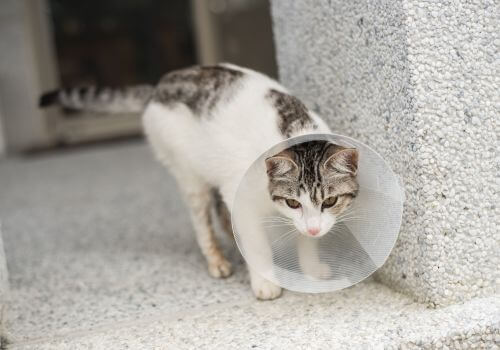
Surgery to remove the infected uterus and ovaries is generally the recommended treatment for pyometra. This procedure is similar in principle to a routine spay, but it's more complex because the uterus is enlarged, infected, and potentially fragile. The cat may also be dehydrated or systemically ill by the time surgery is performed.
Before surgery, a cat may need intravenous fluids, antibiotics, pain management, and other supportive care. Treatment is adjusted according to bloodwork, blood pressure, hydration, and the severity of the illness. After the infected uterus is removed, hospitalization may continue while the veterinary team monitors recovery, appetite, temperature, and organ function.
Medical management may be considered in select breeding cats under close veterinary supervision, but it is not appropriate for every patient. Treatment can take time, may cause side effects, and does not eliminate the possibility of recurrence during a future reproductive cycle. A cat who is unstable, has a closed cervix, or has concern for uterine rupture generally requires urgent surgical care rather than delayed medical treatment.
When Pyometra Is an Emergency
Contact a veterinarian promptly if an unspayed female cat develops vaginal discharge, a swollen abdomen, loss of appetite, vomiting, increased thirst, or an unexplained change in energy after a heat cycle. Don't wait for several signs to appear together. Cats with pyometra can worsen as the infection advances, even when the first changes seem mild. Seek emergency care if your cat is extremely weak, collapses, has pale gums, breathes rapidly, cannot stand, vomits repeatedly, or seems painful and unresponsive. These signs can indicate severe systemic illness. A uterus that becomes overly distended may also leak or rupture, allowing infected material to enter the abdomen.
Do not give leftover antibiotics or human medication at home. Antibiotics alone generally cannot resolve an infected, fluid-filled uterus, and temporary improvement may delay definitive care. Keep your cat quiet, place her in a carrier, and contact the veterinary hospital while you are preparing to leave.
Can Pyometra Be Prevented?
Spaying prevents typical pyometra because the ovaries and uterus are removed before an infection can develop. For cats who are not intended for breeding, owners can discuss the appropriate timing of surgery with their veterinarian. Spaying also prevents future heat cycles and unplanned pregnancy. Owners of intact breeding cats should remain familiar with each cat's reproductive cycles and watch closely for changes afterward. A decrease in appetite, unusual discharge, or increased thirst should not be dismissed as a routine part of coming out of heat. Prompt evaluation matters because early pyometra in cats can be much less obvious than many owners expect.
If you have questions and you'd like to reach out to us, you can call us directly at (703) 256-8414, or you can email us at [email protected]. Don't forget to follow us on social media Facebook, Instagram.